Choosing the Right Metal for Your Ring: Gold, Platinum, or Modern Alternatives
Choosing the right metal for your ring is an exciting part of creating a piece that reflects your style and story. Whether you are selecting an engagement ring, a wedding band, or a meaningful gift, understanding how different metals look, wear, and fit your budget is essential. Gold and platinum remain beloved choices, while contemporary metals like tungsten have become increasingly popular. This guide will walk you through the qualities of each metal and help you decide which one best suits your needs.
Gold: A Timeless Classic
Gold has been one of the most celebrated metals in fine jewelry for centuries. Its warm glow and enduring beauty make it a top choice.
Characteristics of Gold
Gold is naturally soft, which is why it is blended with other metals to create strength suitable for daily wear. Its purity is expressed in karats, with 24 karat gold being the purest. Since pure gold is too soft for most rings, 14 karat and 18 karat gold are more practical and widely used.
Types of Gold
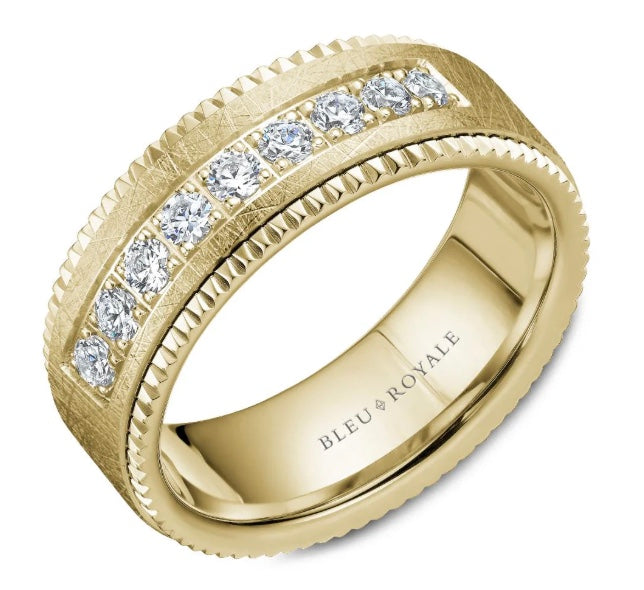
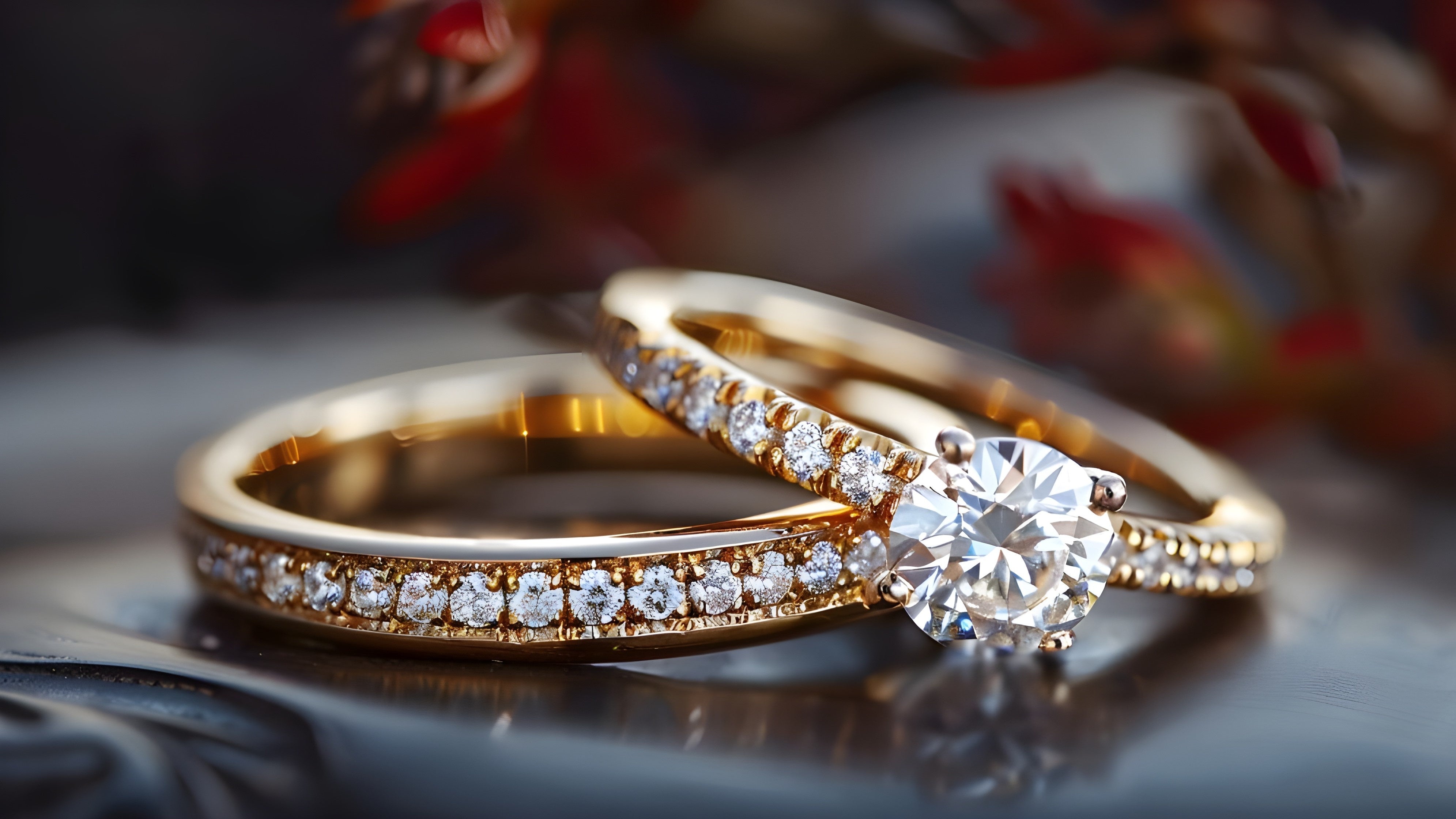
Yellow gold maintains a traditional and classic appearance. It is blended with copper and zinc to achieve its recognizable tone.
White gold blends gold with metals such as nickel or palladium to create a cooler appearance and is often finished with rhodium for added shine.
Rose gold blends gold with copper to create a warm, romantic pink hue that has become a favorite for vintage-inspired and contemporary designs.
Pros and Cons of Gold
Gold offers versatility, timeless appeal, and a look that suits many skin tones. However, the higher the purity, the more easily it may scratch compared to other metals.
Platinum: A Premium Choice
Platinum stands out for its strength, rarity, and naturally white color, which does not require plating. Its durability makes it a wonderful choice for engagement rings and wedding bands.
Characteristics of Platinum
Platinum is dense, hypoallergenic, and maintains its white color without finishing treatments. Its weight gives it a luxurious feel, and its durability supports long term wear.
Pros and Cons of Platinum
Platinum withstands daily wear very well and keeps diamonds and gemstones secure. It is typically more expensive than gold and may develop a soft patina over time. Many people appreciate this natural finish, while others prefer regular polishing to maintain a reflective look.
Modern Alternatives
Modern metals have become increasingly popular for their durability and unique aesthetics.
Other Modern Metals
Titanium provides strength with a lightweight feel and is hypoallergenic.
Palladium offers a natural white color similar to platinum but is lighter and more affordable.
Pros and Cons of Modern Metals
These metals offer durability and contemporary style with budget friendly pricing. The tradeoff is that they do not hold the same traditional prestige as gold or platinum.
Making the Right Choice
When selecting a metal, think about lifestyle, comfort, and long term needs.
Lifestyle matters. If you are active or work with your hands, metals like tungsten or titanium may be best.
Budget influences whether you prefer classic metals or modern alternatives.
Aesthetic preference helps guide whether you lean toward the warm glow of gold, the cool shine of platinum, or the contemporary appeal of tungsten.
Allergies matter as well. Platinum and titanium are ideal choices for sensitive skin.
Resizing needs should be considered for long term wear. Gold and platinum can be resized, while tungsten cannot.
Choosing the right metal for your ring is a personal decision based on style, durability, and meaning. Gold and platinum offer classic beauty and tradition, while tungsten and other modern metals introduce strength and contemporary flair. By understanding the qualities of each metal, you can select a piece that fits your lifestyle and preferences. To find the perfect metal or create a custom design, visit Joyce’s Jewelry and let their team help you choose a ring that feels just right for you.