Luxury Watch Buying Guide: Choosing the Right Swiss Timepiece
Owning a luxury watch is about much more than keeping track of time. A fine timepiece represents exceptional craftsmanship, precision engineering, heritage, and personal style. Whether you're purchasing your first Swiss watch, celebrating a milestone, or adding to an established collection, understanding how luxury watches work and what they require over time can help you make a confident investment. From movement types and premium materials to maintenance and brand comparisons, this guide covers the essentials every buyer should know.
Why Luxury Watches Are Worth the Investment
Luxury watches are built with extraordinary attention to detail using premium materials and time-tested manufacturing techniques. Unlike fashion watches that are often designed for short-term wear, luxury timepieces are created to last for generations with proper care. Many are assembled by highly skilled watchmakers who carefully inspect each movement to ensure accuracy and reliability before it leaves the manufacturer.
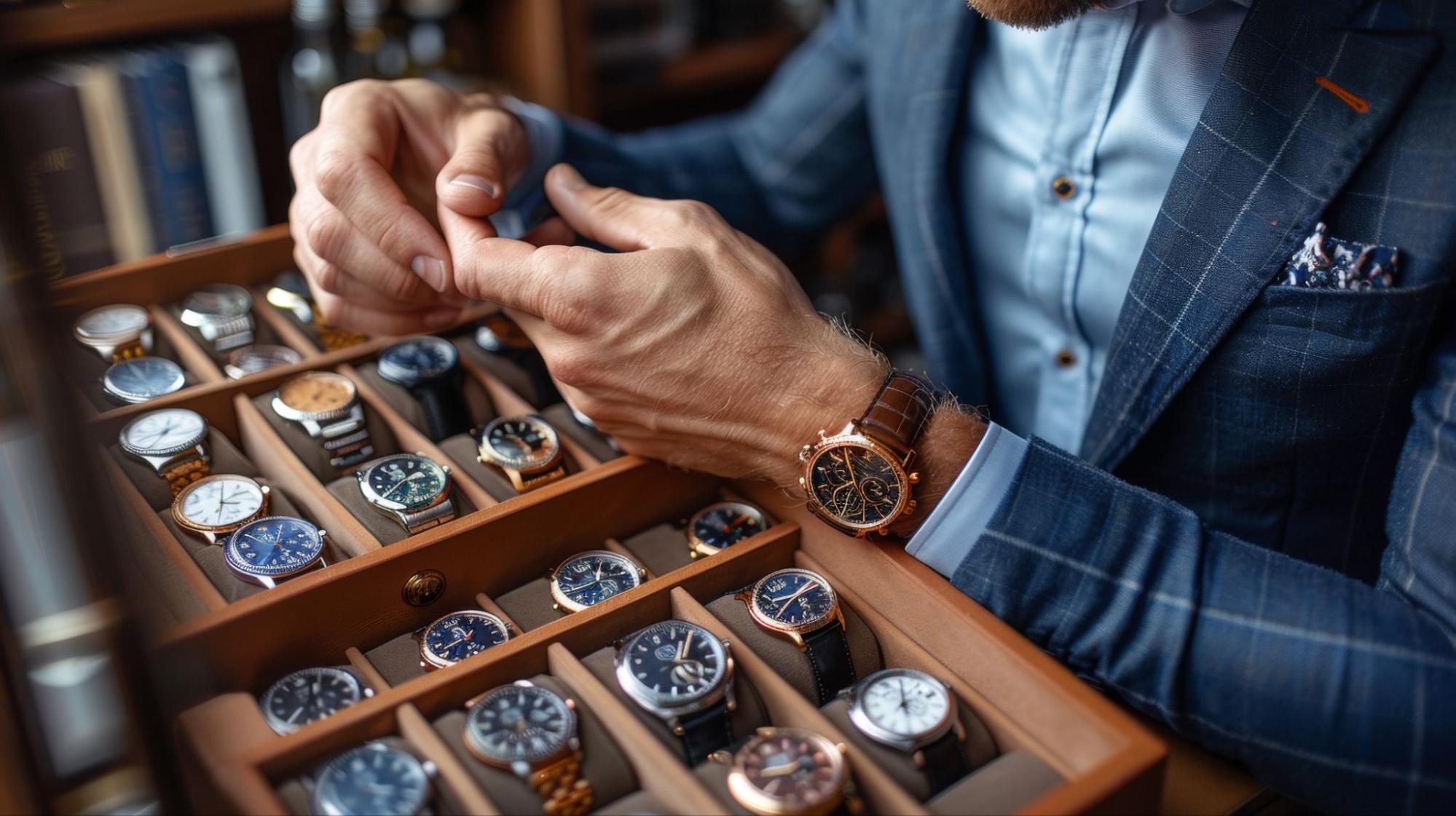
In addition to their craftsmanship, many luxury watches retain their value exceptionally well. Limited production, strong brand heritage, and lasting demand have made many models highly desirable among collectors. Whether worn daily or reserved for special occasions, a luxury watch becomes a meaningful personal investment that can often be passed down through generations.
Understanding Watch Movements
The movement is the engine inside every watch and determines how it operates. Understanding the different movement types is one of the most important parts of selecting the right timepiece.
Quartz Movements
Quartz watches operate using a battery and a vibrating quartz crystal to keep highly accurate time. They require very little maintenance beyond occasional battery replacements and are an excellent choice for buyers seeking convenience and dependable everyday performance.
Manual Mechanical Movements
Manual mechanical watches rely entirely on intricate gears and springs. They require the wearer to wind the crown regularly to keep the movement running. Many enthusiasts appreciate the craftsmanship and tradition behind manually winding a watch, creating a more personal connection with the timepiece.
Automatic Movements
Automatic watches feature mechanical movements that wind themselves through the natural motion of your wrist. A weighted rotor inside the watch continuously stores energy while it is being worn, eliminating the need for daily winding in most situations. Automatic movements combine traditional watchmaking with everyday practicality, making them one of the most popular choices in luxury timepieces.
Power Reserve and Accuracy
Every mechanical watch stores energy inside a mainspring. Once fully wound, the movement continues operating until the stored energy is depleted.
Most luxury automatic watches provide a power reserve between 38 and 48 hours, while many modern movements now offer reserves exceeding 70 hours. A longer power reserve allows owners to leave the watch off for several days without it stopping.
Buyers who value exceptional precision may also encounter watches labeled as chronometers. These movements undergo rigorous independent testing to verify their accuracy under various conditions, providing additional confidence in their long-term performance.
Materials That Set Luxury Watches Apart
The materials used in luxury watches contribute significantly to their appearance, durability, and overall value.
Stainless Steel
Stainless steel remains one of the most versatile and durable materials available. It offers excellent resistance to corrosion and scratches while maintaining a timeless appearance suitable for both everyday wear and formal occasions.
Gold and Platinum
Precious metals such as yellow gold, white gold, rose gold, and platinum provide unmatched elegance and exclusivity. These materials add weight, richness, and sophistication while showcasing the artistry of fine watchmaking.
Titanium
Titanium has become increasingly popular thanks to its impressive strength and lightweight feel. It provides exceptional durability while remaining comfortable enough for all-day wear, particularly in larger sports watches.
Sapphire Crystal
Nearly every premium luxury watch uses sapphire crystal to protect the dial. This highly scratch-resistant material helps preserve the watch's appearance for years while providing exceptional clarity.
Understanding Water Resistance
Water resistance ratings can often be misunderstood. A watch rated for 30 meters is generally intended for everyday exposure to moisture, such as rain or hand washing. Watches rated for 100 meters or more are typically suitable for swimming and recreational water activities, while professional dive watches are engineered for significantly deeper underwater use.
Even highly water-resistant watches should have their seals and gaskets inspected periodically to ensure continued protection.
Common Watch Complications
In watchmaking, any feature beyond displaying the hours, minutes, and seconds is referred to as a complication. These additional functions showcase the technical expertise involved in luxury watch manufacturing.
A chronograph adds stopwatch functionality for timing events. GMT watches display multiple time zones, making them especially useful for travelers and business professionals. Annual and perpetual calendars automatically track varying month lengths, while moon phase complications display the current lunar cycle through an intricate mechanical display. These complications enhance both functionality and the overall character of a luxury timepiece.
Comparing Leading Luxury Watch Brands
Each luxury watch manufacturer has built its reputation around distinctive strengths, styles, and innovations.
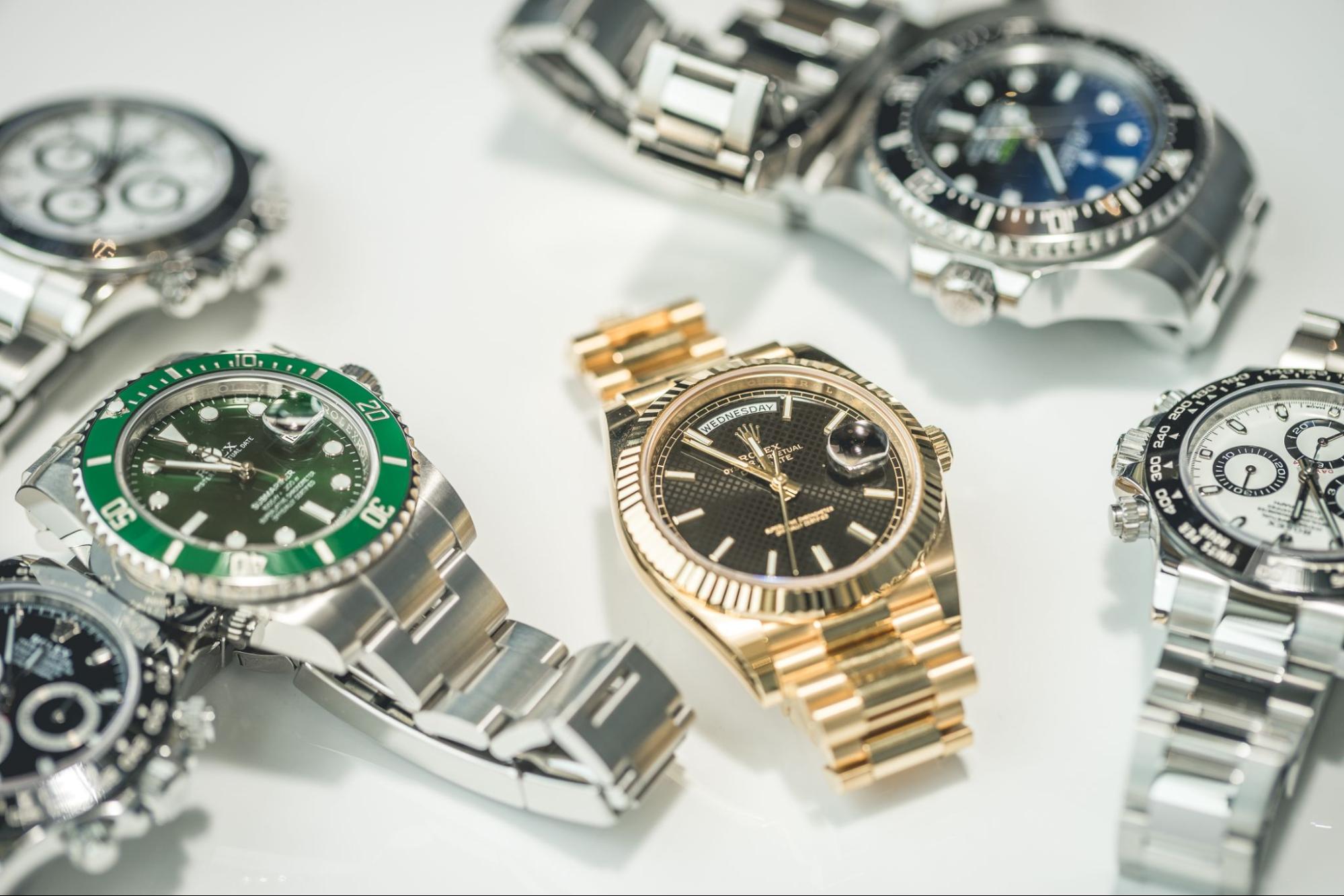
Rolex is widely recognized for its timeless design, outstanding durability, and remarkable resale value. OMEGA combines technical innovation with a rich history in space exploration, Olympic timekeeping, and professional diving. TAG Heuer has earned a loyal following through its motorsports heritage and performance-driven chronographs. Breitling is known for aviation-inspired designs and professional-grade functionality, while Tudor offers exceptional craftsmanship and in-house movements that appeal to buyers seeking outstanding value within Swiss luxury watchmaking.
Choosing between brands ultimately comes down to personal style, intended use, and appreciation for each manufacturer's history and design philosophy.
Caring for Your Luxury Watch
Routine maintenance is essential for protecting both the appearance and performance of a luxury timepiece.
Mechanical watches should generally receive a complete professional service every five to seven years, depending on the manufacturer's recommendations and how frequently the watch is worn. During servicing, lubricants are replaced, worn components are inspected, and the movement is carefully regulated to maintain accuracy.
Owners should also clean the bracelet and case regularly using a soft cloth, avoid exposing mechanical watches to strong magnetic fields, and have water resistance tested periodically if the watch is frequently exposed to moisture. Proper storage and regular maintenance allow many luxury watches to remain reliable for decades.
Making the Right Choice
Purchasing a luxury watch is a personal decision that reflects your style, lifestyle, and appreciation for exceptional craftsmanship. By understanding movement types, premium materials, complications, maintenance requirements, and the characteristics of leading watch brands, you can confidently select a timepiece that will provide years of enjoyment.
At Joyce's Jewelry, we are proud to help clients find luxury watches that match their individual style and needs. Whether you're purchasing your first Swiss timepiece or adding another exceptional watch to your collection, our experienced team is here to guide you every step of the way and help you select a watch you'll enjoy for years to come.